

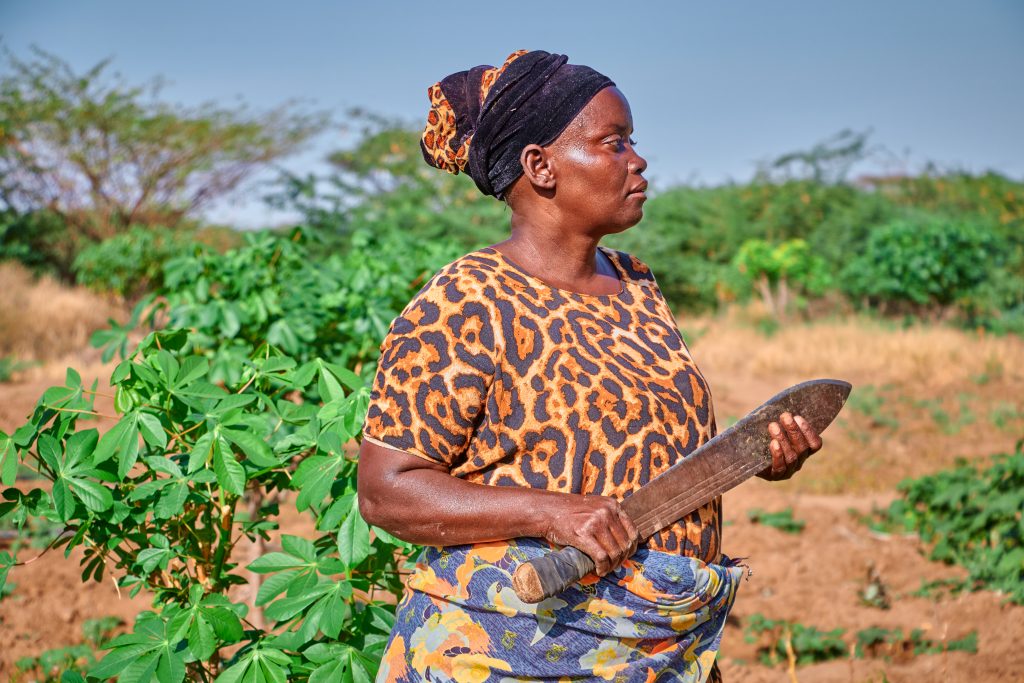
We want to share with you what we learned from a small but powerful set of conversations this January in Kakuma refugee camp and Kalobeyei settlement. Our team spent two days simply listening to ten people who are growing kitchen gardens. They are planting seeds of hope for their families, and their stories show both incredible strength and a clear call for help.
Who We Spoke To
We met ten adult gardeners:
- Six from Kakuma Camp 1
- Three from Kakuma Camp 2
- One from Kalobeyei Settlement
- They were four women and six men, ranging in age from their 20s to 50s.
All were already gardening, and we wanted to understand their experience: What was working? What wasn’t? And what did they need most?
Key Finding 1: A Startling Gap Between Effort and Support
The most striking thing we heard was about support—or the lack of it. Nearly everyone is doing this hard work on their own.
- Most of them told us they have received no support from the official project. This means no tools, no seeds, and no useful training materials.
- Only one person confirmed getting any formal training, and even that was unclear to others.
But here’s the powerful part: despite this, their commitment is deep.
- They have been gardening for over a year.
- Most of them work in their gardens daily.
The community’s effort is already there. The project’s support, so far, is not reaching them.
Key Finding 2: Gardens Are a Lifeline for Families
Even without support, these small plots of land are making a real impact. When we asked how the garden has helped their household, here’s what they said:
- 8 out of 10 reported their family’s food supply had “improved a lot.”
- Everyone uses the vegetables at home. Seven families eat “most” of what they grow.
- Additional benefits they shared:
- Improved Nutrition: Eating fresh, home-grown vegetables.
- Small Income: Three gardeners sell their extra produce.
- Saved Money: Spending less on food from the market.
- Dignity & Stability: The pride of providing for one’s family.
This isn’t just about food. As gardener Saidi Mark told us, “It is the only work that I depend on my own.” This sense of purpose is a precious and powerful outcome.
Key Finding 3: One Overwhelming, Universal Challenge
If we heard one thing loud and clear from every single person, it was this: Lack of enough Water.
All ten gardeners, without exception, said the shortage of water is their biggest, most critical problem. Their specific struggles include:
- Not having enough water for regular watering.
- Walking long distances to water points.
- Having no pumps to move water efficiently to their gardens.
- The high cost of renting pipes or containers.
The quote from Grace Ungwa in Kakuma 1 says it all:
“Water is the first thing we need the most here.”
Without solving the water issue, all other support, seeds, tools, training—is simply ineffective. Water is not just *a* need; in this dry environment, it is the foundational need.
What Gardeners Say They Need to Succeed
We asked directly: “What would help you the most?” Their answers were practical and urgent:
| What They Need | How Many Mentioned It | Specific Examples |
|---|---|---|
| Reliable Water Access | 8 out of 10 | Water pumps, closer water points, fuel for pumps. |
| Basic Tools & Equipment | 4 out of 10 | Pipes, watering cans, hoes, storage sheds. |
| Clear, Practical Training | 3 out of 10 | Better instruction on techniques and pest control. |
| Quality Seeds & Fertilizer | 2 out of 10 | Good seeds to plant, nutrients for the soil. |
Our Pledge and Plan: How We Will Respond
We have listened. Now, we must act with focus and accountability. Here is what we are committing to do, based directly on what we heard:
Immediate Actions (Within 3 Months)
- Launch a Water Access Initiative:
- Install or repair water pumps at 3-4 key garden sites.
- Provide durable watering cans and pipes to gardening groups.
- Verify and Deliver Missed Support:
- Visit every gardener who was enrolled in the project but received nothing.
- Deliver the promised starter kits (seeds, tools) and document it transparently.
Medium-Term Actions (3-12 Months)
3. Form Water-User Groups:
* Organize small groups of gardeners to share and manage water fairly.
* Train group leaders on basic pump maintenance.
4. Restart Hands-On Training:
* Conduct training right in people’s gardens, in local languages.
* Focus on water-saving skills and simple nutrition tips.
5. Create a Small, Safe Produce Market:
* Help gardeners who want to sell their surplus find a place to do so.
* Connect them with local buyers like schools or small restaurants.
6. Establish a Clear Feedback Loop:
* Hold monthly “garden circle” meetings for gardeners to share.
* Appoint community liaisons to communicate needs directly to us.
* Promise to respond visibly to problems (like repairing a broken pump within 48 hours).
Our Promise of Accountability
We will publicly track our progress. We will publish a simple monthly report showing:
- How many people received training.
- How many tools were distributed.
- How many water pumps were installed or repaired.
We will share this with the community, not just our donors. We owe them a direct answer to the question one gardener asked: “Why do we not get support after this survey?”
Meeting Their Effort with Action
The people gardening in Kakuma and Kalobeyei are not waiting for permission or perfect aid. They have already begun the vital work of feeding their families. They bring experience, daily effort, and a clear understanding of what they need.
Our most important job now is to match their effort with effective action. It starts with water. When water flows, gardens flourish. When tools reach hands, work becomes easier. When training is practical, confidence grows.
This is more than a project report. It is a testimony to community resilience and a clear roadmap for partnership. The community has shown up. Now, we must meet them where they stand.
https://shorturl.fm/RI6w0
https://shorturl.fm/OUOem
https://shorturl.fm/ToqLG
https://shorturl.fm/Me46T
https://shorturl.fm/yeWOz
https://shorturl.fm/vje1s